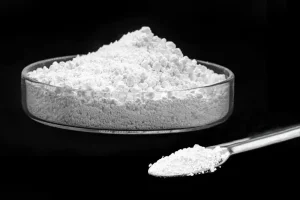
Premium grade chemical synthesis and mineral processing meeting rigorous European and American industrial standards.
As the global energy landscape transitions from fossil fuels to intermittent renewable sources, grid-scale energy storage technology has emerged as the linchpin of clean electrification. Among various thermal storage media, molten salts—predominantly eutectic mixtures of potassium nitrate (KNO3) and sodium nitrate (NaNO3)—have established absolute hegemony in Concentrated Solar Power (CSP) plants, industrial process steam delivery, and long-duration energy storage (LDES) infrastructures.
Our specialized synthesis factories produce molten salts characterized by an exceptionally wide liquid temperature range, typically functioning from 220°C up to 565°C. This wide thermal window prevents crystallization while maximizing sensible heat capacity. Thermodynamically, solar molten salt acts as a high-density, low-pressure heat transfer fluid (HTF) and storage medium, minimizing the engineering cost of containment vessels while maintaining peak security boundaries compared to high-pressure thermal oil or gas solutions.
Heavy industries such as petrochemical refining, metallurgical processing, and cement manufacturing account for over 30% of global greenhouse emissions, primarily due to the burning of fossil fuels for high-temperature process heat. By integrating Molten Salt Thermal Energy Storage systems with off-peak renewable power, industrial facilities can draw electrical power from wind or solar arrays, store it as high-temperature thermal energy in insulated molten salt tanks, and release it dynamically as superheated steam (up to 550°C) for continuous production.
Direct supply lines from our specialized refining and synthesis factories across the main inorganic categories.
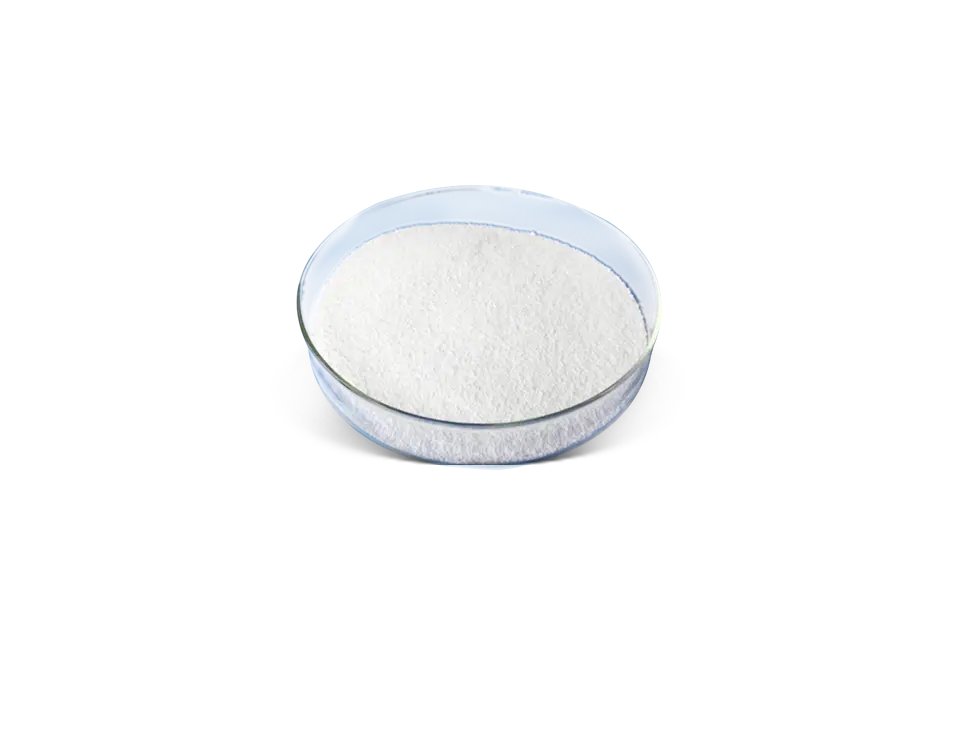
Our core range of highly refined nitrates, optimized for solar thermal energy storage, glass manufacturing, metal heat treatment, and specialized agricultural compounds.

Premium fully water-soluble mineral fertilizers containing vital nitrogen, potassium, phosphorus, and trace elements for modern horticultural applications.
Highly purified auxiliary mineral salts recycled and processed for secondary industrial applications, water treatment, and metallurgy.
The commercial landscape for molten salts is highly consolidated due to the technical entry barriers associated with high-purity chemical processing. As global demand for solar-grade nitrates escalates, security of supply has become a board-level priority for major EPC (Engineering, Procurement, and Construction) companies. Our primary manufacturing facility represents a crucial node in this supply chain, delivering an annual capacity of 600,000 Tons of molten salts and specialized nitrates.
North America, Southern Europe (particularly Spain), the Middle East (specifically Saudi Arabia, the UAE, and Morocco), and Western China are the major geographic growth sectors for large-scale molten salt applications. These regions feature high Direct Normal Irradiance (DNI) levels required for CSP, alongside major industrial clusters transitioning toward net-zero thermal systems. By maintaining strategic raw material reserves and optimized transport routes, we guarantee continuous, prompt logistics services to these international markets.
Commercial-grade industrial nitrates often contain trace impurities of chlorides (Cl-), sulfates (SO4^2-), and moisture (H2O). In solar thermal installations operating at 565°C, these impurities catalyze severe corrosion inside stainless steel piping, pumps, and storage tank walls. Chlorides cause stress corrosion cracking, which can lead to catastrophic structural failures.
Through our proprietary recrystallization processes, we consistently reduce chloride concentrations to less than 50 ppm, and moisture content to below 0.05%. This level of purity ensures that our international partners can design CSP storage tanks with operational life expectancies exceeding 30 years without premature equipment fatigue or down-time.
How our technical-grade salts enable key performance breakthroughs across core global industries.
Acting as the thermal battery core in modern solar towers and parabolic trough power plants to guarantee 24/7 clean electricity generation.
Utilized in high-temperature chemical strengthening bath processes for glass screens, boosting mechanical resistance in consumer electronics.
Replacing fossil-fuel boilers with molten salt electric heaters to deliver zero-emission process steam for manufacturing facilities.
Premium nitrates supply essential, instantly plant-available nitrogen and potassium, optimizing soil water retention and crop yields.
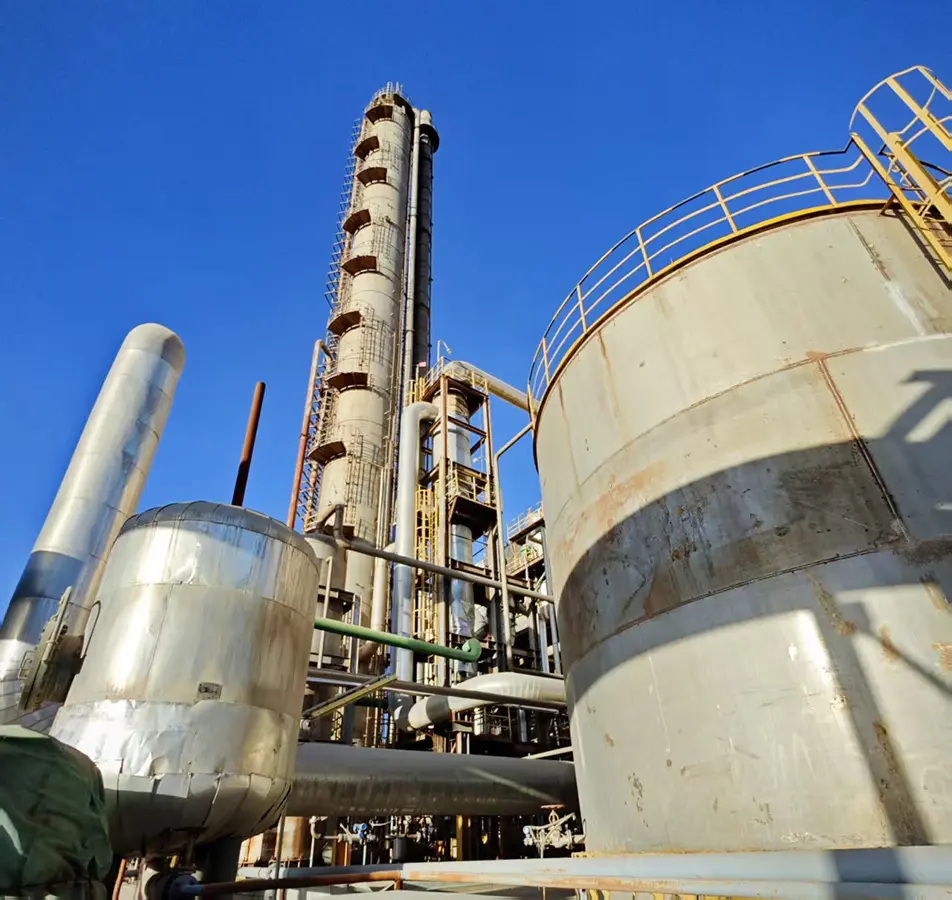
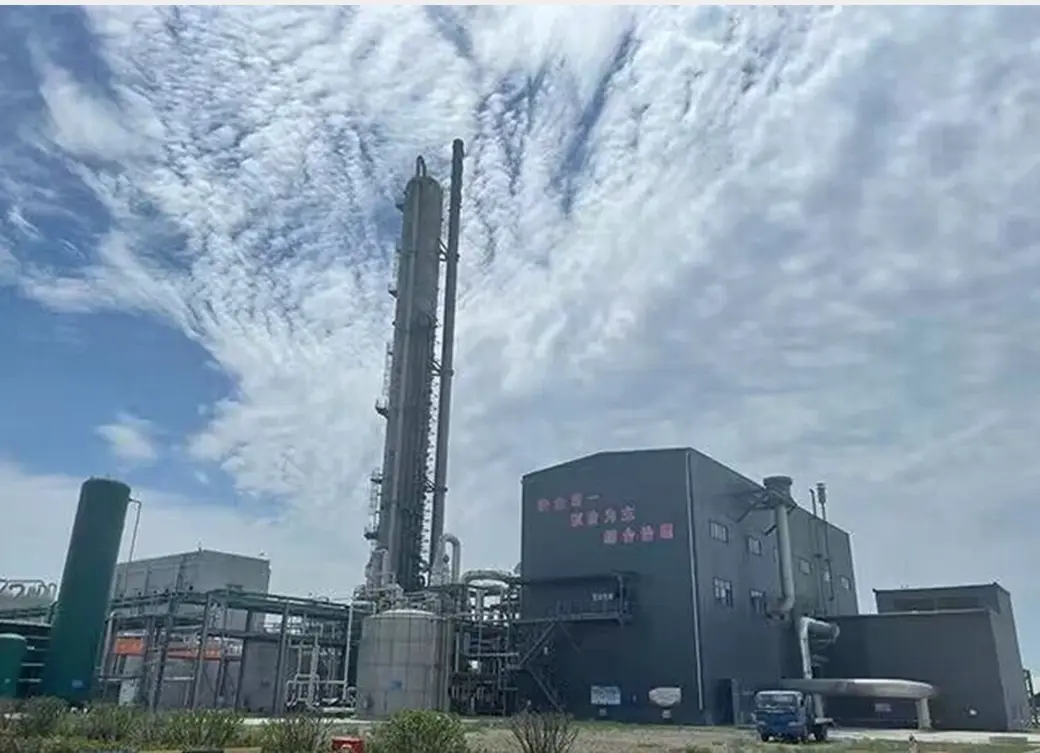
Driven since 2000, leading global thermal energy storage and water-soluble fertilizer innovations.
Established systematically in 2010 after a decade of continuous technological cultivation, Shanxi Vojin New Materials Co., Ltd. has developed into a top-tier global manufacturer of inorganic chemical products. Spanning over 1,000 acres of advanced industrial manufacturing area, our factories operate under strict ISO 9001 and ISO 14001 guidelines to provide high-purity salt mixtures and specialty crop nutrition.
Our core mission revolves around technological reliability and global supply chain security. By maintaining direct control over raw mineral sourcing, refining, and blending operations, we ensure that every batch of solar-grade potassium nitrate and industrial-grade sodium nitrate matches the exact specification requested by our international engineering partners.
With an annual processing capacity exceeding 600,000 metric tons, we export to more than 40 countries and regions, including Europe, the Middle East, South America, and Southeast Asia. We provide end-to-end logistic security, professional custom chemical formulations, and prompt technical support.
Operating within the global chemical supply chain demands strict adherence to regional safety, ecological, and chemical regulations. Every batch of molten salt dispatched from our factory is fully certified and tested in accordance with international protocols. Our regulatory team handles compliance across multiple jurisdictions, facilitating entry into highly regulated markets:
Because molten nitrates are classified as Class 5.1 oxidizers under the UN Recommendations on the Transport of Dangerous Goods, specialized maritime and land transportation logistics are mandatory. We offer comprehensive solutions that handle documentation, container optimization, and port clearance to minimize demurrages. Our logistics team provides moisture-proof container liners, vacuum-sealed bags, and wooden pallets treated under international phytosanitary guidelines (ISPM 15) to maintain chemical purity during maritime transit.
Leveraging scale, scientific expertise, and supply chain control to deliver real value to our partners.


Integrated, long-standing expertise in global maritime logistics, ensuring fast port customs clearances and strict compliance with global dangerous goods handling.
Our massive 600,000 Metric Ton annual output of specialty molten salts guarantees stability of price and supply, even during periods of volatile global demand.
Dedicated Chemical Engineers and responsive account managers are available 24/7 to provide chemical analyses, compatibility studies, and custom blending parameters.
Complete chemical portfolio containing varied grades of KNO3, NaNO3, Ca(NO3)2, and custom-ratio molten salt mixtures tailored for specific thermal processes.
While binary solar salt (60% NaNO3 and 40% KNO3) remains the global industry standard for Concentrated Solar Power plants, Vojin New Materials' R&D team is actively pursuing research into advanced eutectic formulas. The goal of next-generation thermal fluids is to lower the melting point to near 120°C (down from 220°C) and extend the upper thermal decomposition limits past 600°C.
Achieving these goals will allow developers to utilize higher efficiency steam turbine cycles and supercritical CO2 (sCO2) power blocks, which can boost energy conversion efficiency from 40% to over 50%.
Adding calcium nitrate [Ca(NO3)2] to binary nitrate mixtures creates a ternary eutectic that drops the crystallization threshold, significantly lowering parasitic heat trace power consumption. In parallel, our future product roadmap includes research into high-temperature chloride salts (such as NaCl-KCl-MgCl2) and carbonate mixtures. These compounds are designed for next-generation nuclear Molten Salt Reactors (MSRs) and heavy chemical processes operating up to 800°C.
Stay informed with current market trends, technology breakthroughs, and analysis from the technical teams at Vojin.
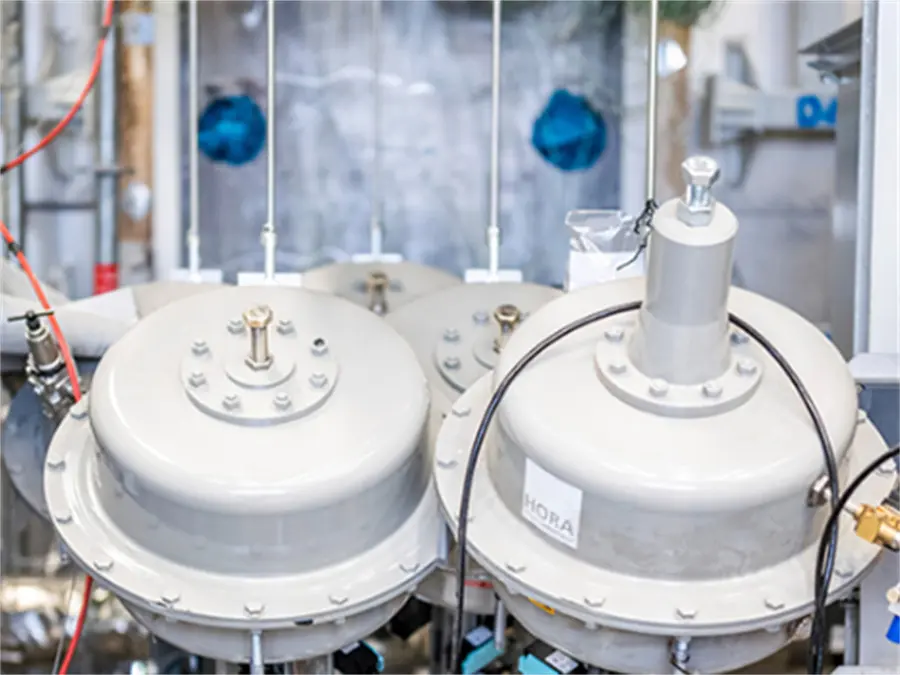
Advanced CSP installations are targeting higher operational temperatures, increasing total electricity output. This article details the impact of salt purity on overall thermal conversion efficiency...
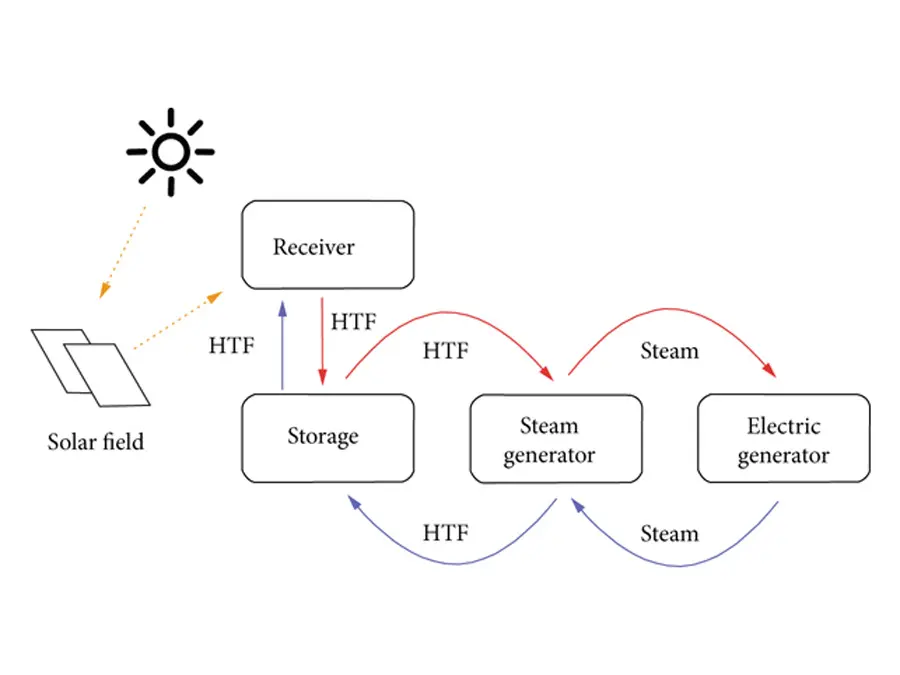
An in-depth analysis of how concentrated solar power plants utilize solar heat fields to store gigawatts of energy, resolving grid balancing issues and backing up wind power...

Thermal energy storage using nitrate salt blends is emerging as a cost-effective, long-duration alternative to lithium-ion batteries for supporting large industrial grids...
Find technical answers regarding the chemistry, operations, and logistics of solar-grade and industrial-grade salts.
Delivering high-purity chemicals to leading energy, agricultural, and industrial companies worldwide.






Custom chemical solutions engineered for metallurgy, glass strengthening, agriculture, and water purification applications.
 VOJIN
VOJIN